


As the founder of Ferguson Alliance, I recently had the opportunity to discuss on The Money Advantage podcast the complexities and strategies for extending the lifespan of family businesses.
My work focuses on resolving human conflicts within family businesses and establishing frameworks that promote longevity.
Here are some key takeaways that every family business owner should consider:
Understanding the Decline in Family Business Lifespan
Statistics show that the lifespan of family businesses is on the decline.
From an average of 60 years in the 1950s to just 24 years today, family businesses face significant challenges in sustainability.
This trend needs urgent attention if we want to preserve the legacy and wealth of family-operated enterprises.
The Importance of Early Succession Planning
One common mistake I’ve observed is the lack of early and intentional succession planning.
Many business owners postpone planning until it’s too late, leading to rushed and often inefficient transitions.
To combat this, I advocate for starting succession planning early, ideally a decade or more in advance.
This approach not only prepares the next generation but also ensures a smooth and strategic transfer of leadership and wealth.
Choosing Between Family-First and Business-First
A critical decision for any family business is determining whether it is a family-first business or a business-first family.
This choice defines how decisions are made and prioritizes either the welfare of the family or the health of the business.
Both paths can be successful, but they require different management and governance strategies to thrive.
Building a Shared Vision
For a family business to succeed across generations, there must be a shared vision that aligns with both family values and business goals.
This vision serves as a North Star, guiding not only current operations but also future aspirations.
Implementing Robust Governance Structures
Strong governance is essential for family business longevity.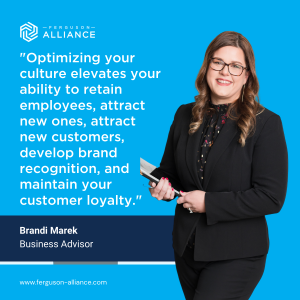
This includes establishing clear roles and responsibilities, setting up effective communication channels, and ensuring that business decisions are made in the best interest of the company and the family.
Creating an Adaptable and Resilient Culture
A culture that adapts to changing market conditions and internal family dynamics is crucial.
It ensures that the business can withstand economic pressures and family conflicts that might otherwise lead to its downfall.
Engaging Multiple Generations
Regular involvement of multiple family generations in discussions and planning sessions helps in nurturing a sense of ownership and commitment to the family business ethos.
It also aids in smoother generational transitions.
The journey of extending the lifespan of a family business is complex but rewarding.
By addressing these key areas, family businesses can not only survive but thrive, passing on a legacy of prosperity and unity to future generations.
If you’re navigating these challenges in your family business, remember, it’s never too early to start planning for the future.
Feel free to book a call for a detailed discussion on how we can tailor these strategies to fit your family business needs.
For more insights and practical strategies on managing family businesses, check out our Ultimate Guide to Family Business Prosperity or you can download our free E-Book on building a prosperous family business legacy.