


What Family Business Owners can Learn from Toyota’s Succession
In January of this year, I read that Akio Toyoda, chief executive of Toyota, was stepping down to make way for a younger successor.
Here are 3 key insights for family business leaders that I gleaned from the article:
1. Make decisions with the best interests of the business in mind
“A carmaker is all that I am, and I see that as my own limit,” said Mr. Toyoda, 66, explaining why he was passing the baton.
Mr. Sato “has a mission to transform Toyota into a mobility company,” he added. “I expect this new team to go beyond the limits that I cannot break through.”
This is an example of what we call a business-first family philosophy.
When you place the needs of the business ahead of the needs of individual family members, you help maintain the business’s long-term viability, protect its employees, customers, and stakeholders, and preserve the family’s legacy.
2. Plan for succession and groom successors
Akio Toyoda’s grandfather and father both led the company, and he was groomed for decades to take his place at its head, working his way up through the company’s ranks.
Long-term family business succession planning helps ensure the continued success and stability of the business, preserving the family’s legacy.
Additionally, it allows for a smooth and seamless leadership transition, reducing the risk of disruption to the business operations and maintaining its value for future generations.
3. Get (and pay attention to) outside feedback
Over more than 13 years, Mr. Toyoda, a grandson of the company’s founder, turned around Toyota’s finances and helped it maintain its position as one of the world’s largest and most important automakers through crises both external and internal.
But his reluctance to embrace the auto industry’s turn toward electrification has made him the subject of fierce criticism and raised concerns among some shareholders that the company, which once led the world in the development of eco-friendly cars, could be left behind.
In a large and public company, leaders are subject to constant feedback and outside perspective.
Most family businesses only receive private feedback from a small number of internal stakeholders: family, employees, and customers (if feedback is received at all.)
Although it may initially feel uncomfortable, obtaining an external perspective can lead to better strategies and decisions.
Free Family Business Succession Guide and Checklist
Many owners are surprised that a succession plan touches almost every part of the business and the family.
In this e-book, we outline everything you need to create a succession plan that sets your family up for generations.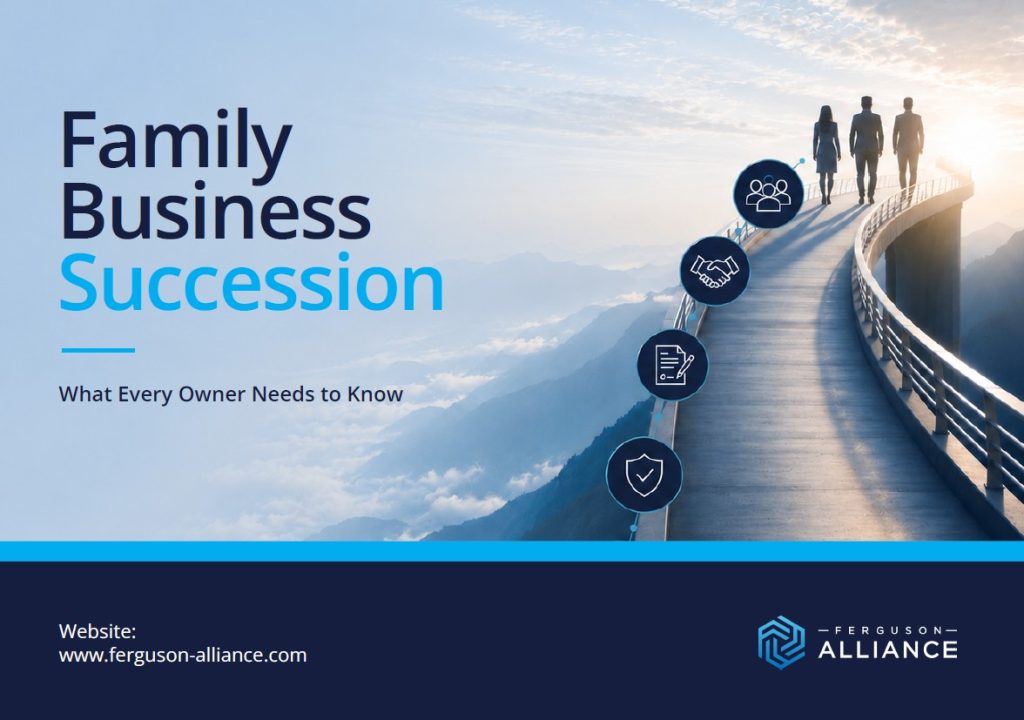
- A breakdown of the 3 separate transitions you need to plan for:
- Succession of wealth
- Succession of ownership
- Succession of leadership
- A full checklist of everything you need to do and prepare
- Explanations of the process and definitions of common succession planning terms
- Answers to frequently asked questions about succession planning
If you're struggling to create a succession plan or wondering where to start, we created this guide for you.
Enter your email address below and we'll send you a copy.
~ Rob