



Family businesses are the backbone of the economy, driving innovation, philanthropy, and employment. Recently, I joined Jonathan Goldhill on the Disruptive Successor Podcast to discuss the unique dynamics of family businesses, their challenges, and the strategies that ensure their longevity.
Here are some key takeaways from our conversation:
What Sets Family Businesses Apart
Family businesses differ from other enterprises in several critical ways:
- Values-Driven Culture: Family values often form the foundation of the business culture, providing a competitive edge.
- Long-Term Orientation: Unlike institutional businesses that focus on quarterly results, family businesses plan for generations, emphasizing sustainability and legacy.
Key Challenges Facing Family Businesses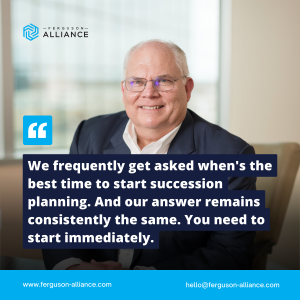
Running a family business is not without its hurdles. Some common challenges include:
- Balancing Family and Business Priorities: Determining whether you’re a “family-first business” or a “business-first family” is essential for guiding decision-making.
- Conflict Resolution: Managing family dynamics requires effective communication and a willingness to listen and understand differing perspectives.
- Professionalization: Striking the right balance between structure and flexibility ensures the business remains nimble while avoiding inefficiencies.
Family-First vs. Business-First
One of the first questions I ask family business clients is: Are you a family-first business or a business-first family?
- Family-First Businesses: Prioritize the needs of family members, which can sometimes lead to underperformance if roles are filled based on family ties rather than qualifications.
- Business-First Families: Focus on the business’s success, ensuring that the most qualified individuals hold key positions, even if they are not family members.
While neither approach is inherently better, defining this priority is critical to achieving clarity and alignment within the family and business.
Building a Legacy Through Best Practices
To ensure family businesses thrive across generations, it’s essential to adopt these practices:
- Integrate Core Values: Identify which family values can be a competitive advantage and integrate them into the business’s operations and culture.
- Establish Clear Governance: Create policies for hiring, compensation, and succession to maintain professionalism and avoid conflicts.
- Plan for Succession Early: Start succession planning well in advance to allow flexibility and prepare the next generation for leadership roles.
- Balance Structure and Flexibility: Implement enough structure to ensure stability while preserving the entrepreneurial spirit that defines family businesses.
Managing Conflict in Family Businesses
Conflict is natural in family businesses, but it doesn’t have to be detrimental. Effective communication and a shared commitment to the business’s goals can transform disagreements into productive conversations.
Strategies for Managing Conflict:
- Teach empathetic listening: Focus on understanding rather than rebutting.
- Find common ground: Build consensus by identifying shared values and objectives.
- Use collaborative decision-making: Involve subject-matter experts and assign clear decision-makers.
Family businesses are more than economic entities—they are legacies that embody values, nurture growth, and impact communities.
By addressing critical questions around values, governance, and succession, family businesses can ensure sustainability and success for generations.
If your family business is navigating challenges or planning for the future, reach out today to set up a consultation with one of our experienced and trusted family business advisors. Together, we can build a legacy that lasts.